
Cultural Awareness
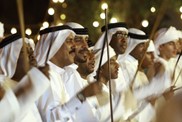
The Emirati culture is firmly rooted in the Islamic traditions of Arabia. Islam is more than just a religion; it is a way of life that governs even the smallest of everyday events, from what to wear to what to eat and drink. Thus, the culture and the heritage of the U.A.E. are tied to its religion. The U.A.E. is tolerant and welcoming; foreigners are free to practice their own religion, alcohol is served in hotels and the dress code is liberal. Among the most highly prized virtues are courtesy and facility. The genuine warmth and friendliness of the people will charm visitors.
The rapid economic growth over the last two to three decades has changed life in the Emirates beyond recognition. In order to
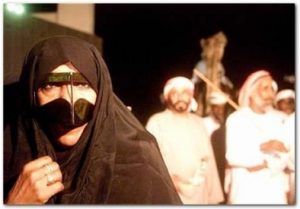
ensure that Emirati culture and traditions are maintained, the government keenly promotes traditional cultural and sporting activities. Falconry, camel racing and dhow sailing are still very popular. Arabic poetry, dancing, songs and traditional art are encouraged and weddings and celebrations are still colorful occasions of feasting and music.
Work Hours
The official weekend in the UAE is on Saturday and Sunday. Some smaller private companies only close on Sunday.
Government offices open at 8:00 a.m. and close at 3.00 p.m. Private offices tend to keep longer hours, adopting either “straight shift” or “split shift.” The former normally requires eight working hours beginning between 8:00am and 9:00am with a lunch break lasting 30 minutes to an hour. The latter involves commencing between 9:00am and 10:00am and ending between 8:00pm and 9:00pm, with a three- to four-hour break in between.
During Ramadan, working hours shorten by two to three hours, with most of the work accomplished in the early hours of the morning or much later in the evening after the day’s fast is broken (at sunset).
Language
Although Arabic is the official language, English is widely used in business transactions in the UAE. Print business cards in English and Arabic and make sure that all brochures and presentation material are full-color and well produced.
Cultural Norms
Good manners and courtesy are prized attributes. Always arrive on time for a meeting, however, know that punctuality is not considered a virtue in the Arab world, and people are often kept waiting before, or during, a meeting. Be patient, and do not take it as a lack of respect.
Greet the most senior person first when meeting a group of people. You will always be offered refreshments in an Arab home or office. Frequently, this will be Western-style tea or coffee. However, people serve a sweet, milk less tea or a light Arabic coffee flavored with cardamom. You should accept at least one cupful, as it may be considered discourteous to refuse.
Take the time to chat and drink the coffee, tea or soft drink and use it as an opportunity to establish relationships.
Do not be concerned if your meeting is interrupted by other guests or telephone conversations. The upfront, hard-hitting approach is generally not welcome, so once again, be patient. Be aware that what may seem like evasiveness on the part of your host is usually an unwillingness to say no to your face.
Nevertheless, once a deal is made, orally or otherwise, an Arab businessperson’s word is his or her bond and you are also expected to perform accordingly, even if the agreement is a verbal one only.
Hospitality is a way of life in the Arab world and business is frequently conducted over lunch or dinner – more than likely in a hotel or restaurant. It is considered polite to return the invitation.
Dress conservatively: men should wear a suit; women should ensure that business clothing covers arms and legs. Avoid scheduling meetings during prayer times or major Muslim holidays